
When it comes to protecting your home, business, or property, CCTV cameras play a crucial role in ensuring security and peace of mind. Whether you’re installing a CCTV system for the first time or upgrading your current system, understanding the key requirements for installation is essential. This guide will walk you through various aspects of CCTV camera installation, ensuring you have all the necessary information for a smooth and effective setup.
Required Equipment for CCTV Installation
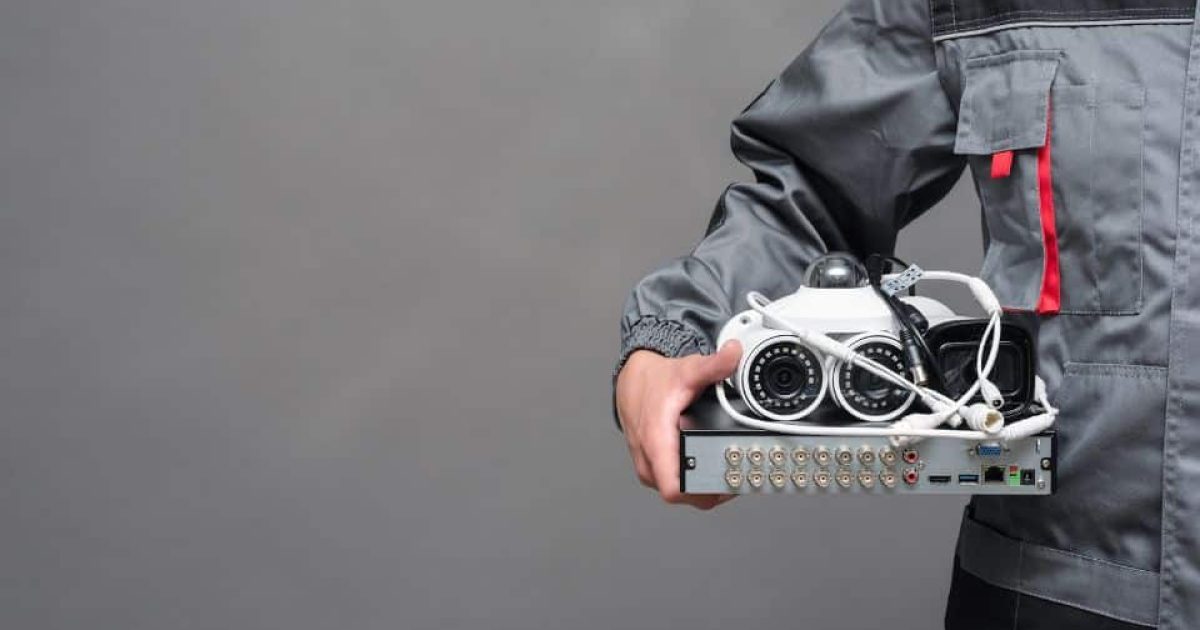
Before you begin the installation of a CCTV system, it’s important to ensure you have all the necessary equipment. Here’s a list of essential items needed for a successful CCTV installation:
- CCTV Cameras: Select from dome, bullet, PTZ, IP, or IR cameras based on your needs.
- Recording Device (DVR or NVR): A Digital Video Recorder (DVR) for analog cameras or a Network Video Recorder (NVR) for IP cameras.
- Storage Media: Hard drives or cloud storage solutions to store your footage.
- Power Supply: Ensure you have the correct power adapters or PoE (Power over Ethernet) solutions for your system.
- Wires & Cables: Ethernet cables for IP cameras, coaxial cables for analog cameras, and power cables for each device.
- Mounting Hardware: Brackets, mounts, and screws to securely attach the cameras.
- Router or Switch: To provide connectivity for networked cameras (especially important for wireless IP cameras).
- Monitor & Viewing Device: For monitoring the feed from your CCTV cameras, either a computer, TV, or smartphone app.

Choosing the Right CCTV Cameras for Your Property
One of the most important factors to consider when planning your CCTV installation is selecting the right cameras. There are several types of CCTV cameras, each suited for different environments and purposes. For instance, dome cameras are ideal for indoor use and provide a discreet 360-degree view. On the other hand, bullet cameras are perfect for outdoor installation and are known for their long-range capabilities. Additionally, PTZ cameras (Pan, Tilt, Zoom) offer flexibility, allowing remote movement and zoom for larger areas or critical zones.
IP cameras are becoming increasingly popular due to their ability to provide high-definition video over the internet, which also allows for remote access and cloud storage options. Lastly, infrared (IR) cameras are essential for low-light conditions, ensuring clear video footage even in complete darkness, which is crucial for nighttime security.
Choosing the Right Locations for Camera Placement
Once you’ve chosen the right cameras, the next step is determining the best locations for installation. Camera placement is critical to maximizing coverage and ensuring that no area is left vulnerable. Start by focusing on high-priority areas such as entry points, windows, and driveways, where intruders are most likely to attempt entry. It’s also essential to install cameras in hallways and staircases, especially in multi-story buildings, to monitor movement within the premises.
For outdoor surveillance, parking lots, walkways, and exterior doors should be prioritized. These areas typically experience higher traffic and are key zones for monitoring activity. By strategically placing cameras, you’ll ensure full coverage of both high-traffic and vulnerable areas, leaving no blind spots in your security system.

Power Supply and Wiring Requirements
Another critical requirement for CCTV installation is the power supply. Depending on the type of CCTV system you choose, different power sources and wiring options may be required. For example, wired CCTV systems require a power outlet for each camera. Ensuring that there is easy access to electrical outlets is essential. You’ll also need to run cables from the cameras to the recording equipment (DVR or NVR), so planning the path for these wires is an essential step in the installation process.
Wireless CCTV systems, on the other hand, rely on a stable Wi-Fi connection to transmit video footage. These systems are easier to install and eliminate the need for extensive wiring, but make sure that your Wi-Fi signal is strong enough in all the areas you intend to monitor. Additionally, Power Over Ethernet (PoE) technology can simplify installation by delivering both power and data through a single Ethernet cable, reducing the number of cables needed for setup.
Recording and Storage Solutions
A key component of any CCTV system is the recording device. You have two primary options:
- Digital Video Recorder (DVR): Commonly used with analog CCTV cameras, DVRs allow for easy video storage and playback.
- Network Video Recorder (NVR): Used with IP cameras, NVRs offer higher-quality video and remote access through the internet, making them ideal for modern setups.

When planning your storage, consider the amount of footage you want to keep. Some people prefer to store recordings for just a few days, while others need to keep footage for several weeks or even months. The more cameras and higher the video resolution, the more storage capacity you’ll require. It’s essential to plan for long-term storage that fits your needs and budget.
Remote Access and Monitoring
Modern CCTV systems offer remote access, which allows you to monitor your property in real-time from anywhere in the world. This is especially important for those who want to keep an eye on their property while they’re away or for businesses that need to monitor multiple locations. Look for a system that provides secure, easy-to-use mobile apps or web-based platforms for accessing live video and recorded footage. Some systems offer cloud storage options, allowing for seamless monitoring and storing of footage remotely.
Having remote access means you can respond quickly in case of suspicious activity, making it easier to take action immediately. It’s important to choose a system with reliable connectivity and a user-friendly interface to ensure smooth, secure remote monitoring.

Compliance with Legal and Privacy Regulations
Before installing CCTV cameras, it’s essential to understand the legal and privacy regulations in your area. Depending on where you live, certain laws may govern where you can place your cameras and what areas you can monitor. For example, while you can install cameras in your home or business, you must avoid capturing footage of your neighbors’ properties without their consent. In some regions, businesses are required to inform employees and customers of surveillance practices.
Make sure to research local regulations related to privacy and surveillance to avoid any legal complications. Compliance with these laws not only protects you legally but also ensures that your CCTV system is ethical and respectful of others’ privacy rights.
Regular Maintenance and Monitoring
To ensure that your CCTV system continues to function properly, regular maintenance is key. Cleaning camera lenses, checking for software updates, and inspecting cables are essential for keeping your system running smoothly. Additionally, periodic testing of the cameras and DVR/NVR units helps verify that everything is working correctly and that video footage is being recorded properly.
By maintaining your CCTV system regularly, you can ensure that the system remains effective in deterring crime and providing you with valuable evidence when needed.
Cost Considerations for CCTV Installation
Installing a CCTV system comes with a range of costs, depending on the number of cameras, the type of system, and the complexity of installation. For a basic home security system, you may expect to spend around $500 to $1,500, while more extensive commercial setups can cost anywhere from $2,000 to $5,000 or more. Always request a detailed quote before proceeding with installation, and consider the long-term costs such as maintenance and storage requirements.
Benefits of CCTV Camera Installation
- Crime Prevention: CCTV cameras act as a visible deterrent, discouraging potential intruders from attempting to break in.
- Evidence Collection: In the unfortunate event of a crime, CCTV footage can provide crucial evidence for law enforcement investigations.
- Remote Monitoring: Watch your property from anywhere, keeping you in control and allowing quick responses to incidents.
Conclusion
CCTV installation is a powerful tool for enhancing the security of your property, whether at home or in a business environment. By carefully selecting the right cameras, ensuring proper placement, and maintaining the system regularly, you can maximize its effectiveness. With the ability to prevent crime, collect evidence, and provide 24/7 monitoring, CCTV is an essential component of modern security systems.
For professional CCTV installation in Vancouver, trust the experts at Polygom Security Systems. Our experienced team will help design and install the best security system tailored to your needs.


