
Whether you’re running a retail shop, a corporate office, or a service-oriented business, the right security system can protect your premises and provide peace of mind. In this guide, we’ll walk you through the key considerations when selecting the right security system for your business, the best components to look for, and how to implement a system that integrates seamlessly with your operations.
Table of Contents
ToggleChoose the Right Security System for Your Business
Choosing the right security system for your business is an essential decision that directly impacts the safety of your employees, customers, and assets. In a world where security threats are becoming increasingly sophisticated, it’s important to stay one step ahead. But with so many security options available, it can be overwhelming to determine which system is best suited for your needs.
1. Assessing Your Security Needs: Understanding the Essentials
The first step to choosing the right security system for your business is understanding what your security needs are. The size, location, and nature of your business will dictate the type of security system you need. It’s important to identify your primary security concerns before diving into the available options. Here’s how you can approach the assessment:
| Key Considerations | How to Assess |
| Type of Business | Retail, office, industrial, or restaurant? Each type has unique security needs. |
| Business Location | Are you in a high-crime area or a low-risk area? Does your location affect risks? |
| Operating Hours | Do you need 24/7 monitoring, or are you only concerned with after-hours security? |
| Specific Risks | What are your vulnerabilities (e.g., theft, vandalism, unauthorized access)? |
Tip: Take the time to walk through your premises, noting down potential risks and areas that require more attention. This will guide you in selecting the right mix of systems.
2. The Core Components of a Business Security System
Once you’ve assessed your business’s security needs, it’s time to face the reality of what a proper security system actually requires. The right security system for your business isn’t a single solution but a combination of multiple technologies, each addressing different threats. You can’t just throw a few cameras and call it a day. For starters, surveillance cameras are essential, not just for deterrence but for capturing evidence of incidents when things go wrong. Alarm systems are a must, with motion sensors and contact detectors that will wake you up in the middle of the night with alerts about unauthorized entry. Then there’s access control, which means setting up keypads, card readers, or biometric systems to ensure that only the right people are walking into restricted areas. Finally, don’t forget fire and safety systems, because a simple smoke detector might be the only thing standing between your business and disaster. All of these elements need to work together, no exceptions, because in today’s world, a patchwork security system is no security at all.
3. Choosing the Right Surveillance Cameras for Your Business
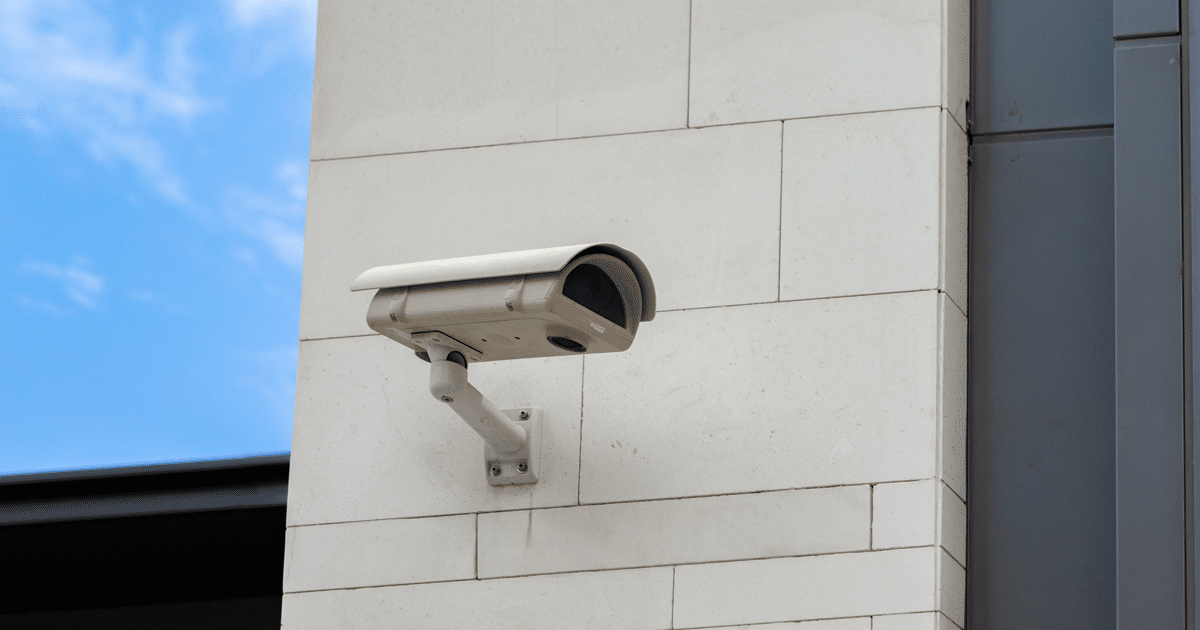
Surveillance cameras are often the first line of defense in any security system. When choosing the right security system for your business, it’s essential to select cameras that cover critical areas. Let’s break down the key considerations for choosing the best cameras. Factors to Consider:
- Resolution: High-definition cameras offer clearer footage for identifying suspects or events. Look for cameras with at least 1080p resolution.
- Camera Placement: Ensure that you place cameras in high-risk areas, such as entrances, parking lots, and near cash registers.
- Night Vision: Opt for cameras with infrared capabilities to monitor at all times of the day and night.
- Remote Viewing: Look for cameras that allow remote access through an app or web portal for convenience.
Camera Placement Considerations:
| Location | Purpose |
| Entrances and Exits | To monitor who enters and exits the premises at all times. |
| Parking Areas | To protect employee and customer vehicles from theft or vandalism. |
| Internal High-Traffic Areas | To ensure key areas inside the building are under constant surveillance. |
4. Alarm Systems: Ensuring Rapid Response
Alarm systems play a crucial role in notifying you and authorities when unauthorized access is detected. The right security system for your business includes an alarm system that is responsive and reliable.
Types of Alarm Systems:
- Motion Sensors: Detect movement within your premises when no one should be present.
- Window and Door Sensors: Notify you if a door or window is forced open.
- Glass Break Detectors: Trigger alerts when glass is broken.
It’s essential to choose an alarm system that suits your building layout. A small office might only need basic door/window sensors, while a larger building could require a combination of motion sensors, cameras, and more advanced technology.
5. Access Control Systems: Managing Access to Sensitive Areas
Access control systems are a vital part of the right security system for your business, especially when you have restricted areas such as back offices, storage rooms, or sensitive departments. These systems ensure that only authorized individuals can access certain areas.
Types of Access Control Systems:
| System Type | Description |
| Keypad Systems | Users input a PIN to gain access to a specific area. |
| Card Readers | Users scan their ID cards or key fobs for entry. |
| Biometric Systems | Fingerprint or facial recognition systems for high-security areas. |
Integrating access control with your security system allows for a seamless flow of data, making it easier to manage security across your business. Additional Considerations:
- Integration with Other Systems: Ensure your access control system works with your CCTV and alarm systems for cohesive security management.
- Scalability: Choose a system that can scale as your business grows and you add more employees or locations.
6. Integration and Future-Proofing Your Security System
A smart business owner always thinks ahead. When choosing the right security system for your business, you should consider not just your current needs but how your security system will evolve as your business expands. Key Factors for Future-Proofing:
- Cloud Integration: Many businesses are shifting to cloud-based systems to ensure easy access to footage and data remotely.
- Scalability: Opt for systems that allow you to add more cameras or security features as your business grows.
- Smart Technology Integration: Integration with other technologies, like smart lighting or alarms that send push notifications to your phone, will keep your business at the cutting edge.
Conclusion
In conclusion, choosing the right security system for your business requires a thoughtful approach that balances your business needs with the available technologies. From understanding the specific security risks you face to choosing the right combination of surveillance, alarms, and access control, every step you take will contribute to a safer and more secure environment for your employees, customers, and assets. At Polygom Security, we specialize in tailoring security solutions that align with the unique needs of your business. Whether you are looking for advanced CCTV, robust alarm systems, or seamless access control, we provide the technology and expertise to keep your business secure.


